Scott Childers
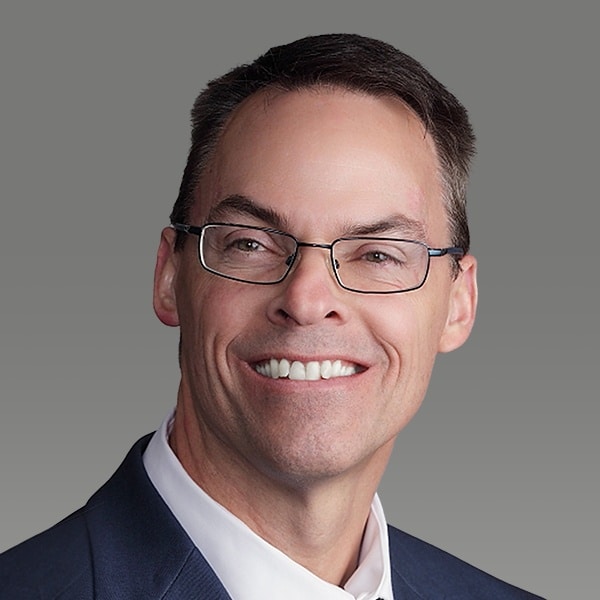
Scott Childers
Scott Childers is Vice President, Essential Power division of Stryten Energy. In this role, he is responsible for growing the company’s energy solutions and new technology offerings. He champions clean, renewable energy opportunities for Stryten and actively works with utilities and original equipment manufacturers to deploy long-duration, sustainable energy storage solutions.
Mr. Childers spent more than 15 years in the automotive industry, working for General Motors and its subsequent spin-off Delphi Automotive where he served in a variety of capacities between engineering, operations and other leadership roles.
Concurrent with his time at GM, he served in the U.S. Army as a commissioned officer. First as a platoon leader in an Army National Guard Transportation Unit, and a final tour as an officer and engineer with Wright Patterson Airforce Base Civil Engineering Department.
Mr. Childers led key organic growth initiatives as Director of Operations and Engineering for CTS Corporation. Prior to joining Stryten, he led Hillphoenix’s global technical community as Vice President, Technology. In this capacity, Mr. Childers led a team of more than 200 engineers and scientists in developing world class solutions for thermal and electrical energy management for refrigeration, glass door and merchandising systems.
Mr. Childers received his major and minor degrees in Mechanical and Electrical Engineering, respectively, from the University of Dayton. He studied under a GM Fellowship at the Massachusetts Institute of Technology as part of their System Design and Management program, receiving a joint master’s degree from the Sloan School of Management and the Engineering Systems Division.
Mr. Childers is the Chairman of the Flow Battery Industry Group, an industry group formed by Battery Council International. The industry group’s initial mandate is to bring together flow battery manufacturers and suppliers to develop approaches to address key common issues facing the industry, including testing, safety and industry statistics.
In his time outside of the office, he volunteers with Ark Vocational Services, a non-profit organization in the Atlanta area that serves the community by training youth and others in vocational trades and combining these training sessions to provide real services to those in the community with a corresponding need.
Articles featuring Scott Childers:
- The POWER Interview: Challenges, Opportunities for Energy Storage
- How is the U.S. Military Using Stationary Energy Storage Today?
- The IRA’s Energy Storage Credits Take Data Centers Into the Future
- Energy Storage Can Support Sustainability Initiatives
- Long Duration Energy Storage in the U.S.
- Battery Energy Storage Systems: 3 Key Trends